Daily assistance
Elderly Care for the Parts of the Day That Got Harder
Nobody needs help with everything at once. Elderly care works best when it targets the specific hours that stopped being manageable, and leaves the rest of the day alone.
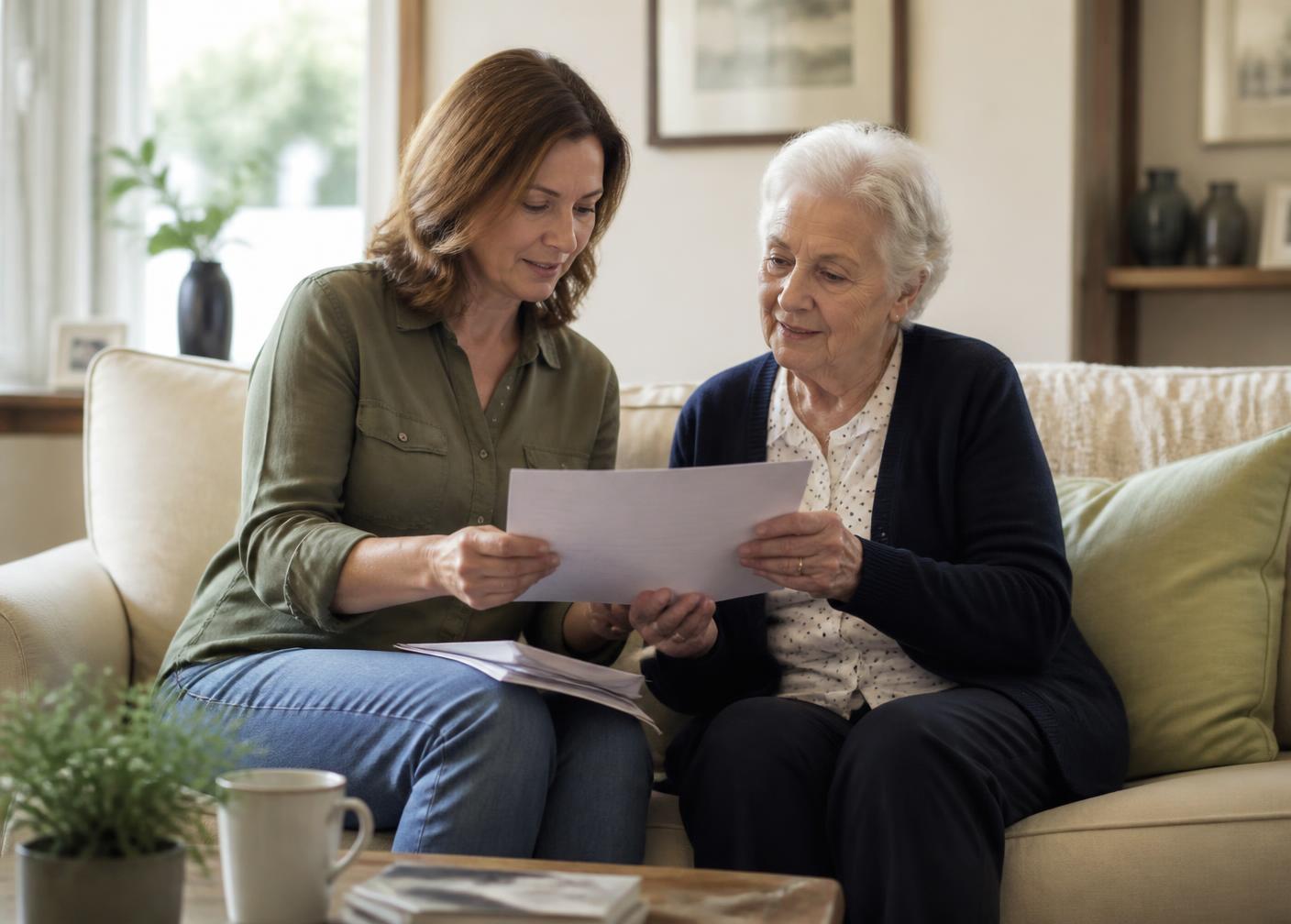
Care is easier to accept when it is specific
Families often approach this as a single decision: does Dad need care, yes or no. Older adults rarely experience it that way. What they experience is that the shower is frightening, the grocery run takes all morning, and dinner has quietly become cereal.
Naming those specifics changes the conversation. It is much easier to agree to someone coming on Tuesday to help with a shower and drive to the pharmacy than to agree that you now require elderly care.
The needs that come up most in Kendall County homes
- Bathing and grooming, where a wet tile floor and a step-over tub are the actual hazard.
- Meals, particularly when appetite has dropped and cooking for one has stopped feeling worth it.
- Getting around the house safely, especially where bedrooms and laundry are on different levels.
- Transport, once driving to Fair Oaks Ranch or into San Antonio for a specialist is no longer comfortable.
- Medication reminders, when several prescriptions arrived at different times from different doctors.
- Company, which is the need most likely to be dismissed and most likely to matter.
What good elderly care avoids
Poor care does everything for the person. Good care does the minimum required and leaves the rest with them, because every task taken away permanently is a small loss of capability.
In practice that means a caregiver stands nearby during a shower rather than taking over, sets out ingredients rather than serving a plate, and drives to the store rather than shopping alone. It is slower. It is also the difference between support and decline.
When elderly care is not enough on its own
There are situations non-medical elderly care cannot solve. Unmanaged pain, wounds, unstable medical conditions, IV medication and rehabilitation all require clinicians. Serious wandering, or a level of confusion that makes being alone unsafe at any hour, requires either continuous coverage or a different setting.
If you are unsure which side of that line you are on, start with home care versus in-home nursing, then talk to the person's physician.
Questions families ask
What is the difference between elderly care and senior home care?
In everyday use they describe the same non-medical support at home. Elderly care is the phrase families tend to use when hands-on help with bathing, mobility and meals is already part of the picture.
My father refuses help. What do we do?
Refusal is usually about status, not about the tasks. Attaching the help to something he wants, keeping the car running, staying in the house, avoiding a move, tends to work better than attaching it to safety.
Can care start while a parent is still in the hospital?
You can plan it then, which is the useful part. Confirming the schedule before discharge avoids the gap that so often causes a second admission.
Tell us which hours are the difficult ones
You do not need a diagnosis or a plan. A description of a normal day is enough for us to suggest what would actually help.
Prefer to talk it through first? Call XXX-XXX-XXXX. No obligation, and no pressure to decide on the call.
Related pages
- Personal CareBathing, dressing, grooming and mobility assistance.Read more
- Companion CareCompany, conversation, errands and staying connected.Read more
- Senior Home CareOngoing support that helps a senior keep their own routine.Read more
- When Does an Aging Parent Need Help?The signs families in Boerne notice first.Read more
- Home Care vs. In-Home NursingWhen a nurse is the right call instead of a caregiver.Read more
- Family Caregiver SupportPractical help for the adult child holding it together.Read more
Looking for something else? Read the FAQ or request care information.